Caregiver resources

For the people who carry the care

Long-term care at home is an act of love and a lot of work. These notes gather what families often wish they had known sooner. They are general — your loved one's care team knows them best.

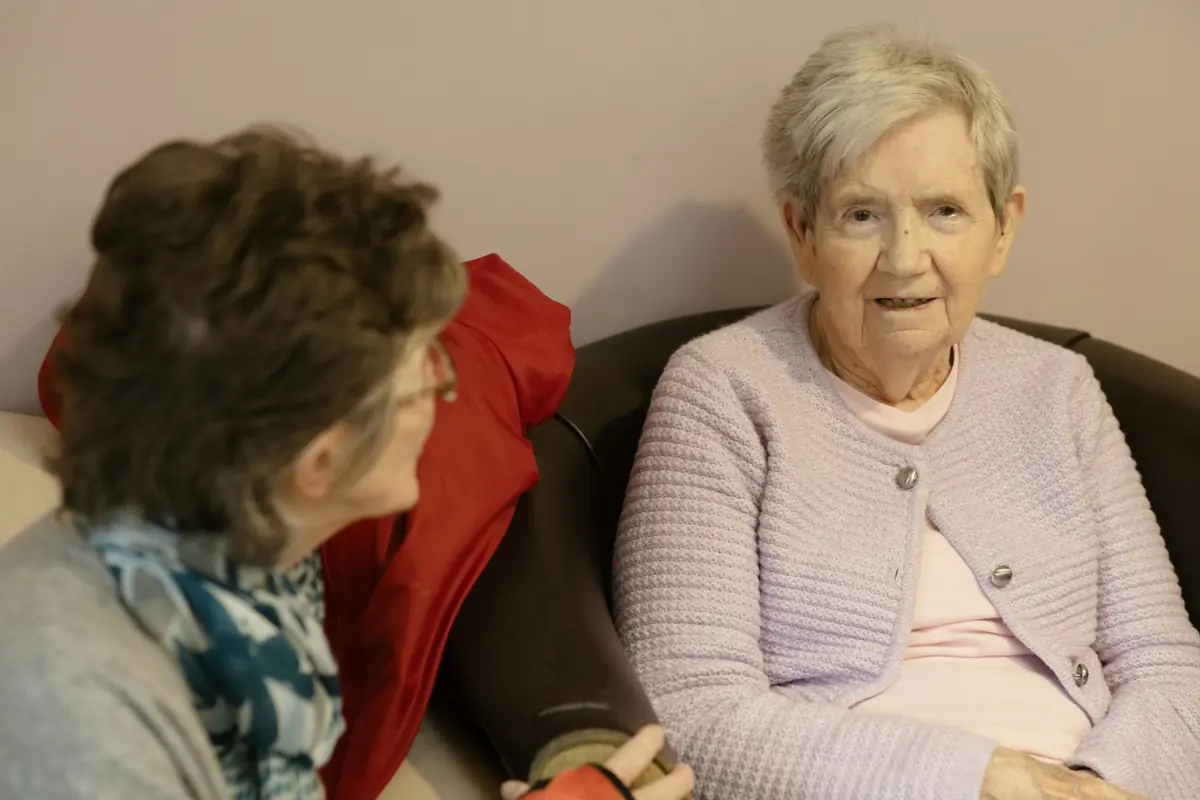
Two older women sitting together and talking

Start with a simple care map

Before equipment, before schedules, sit down with everyone who will help and sketch out an ordinary day. When does the person wake? When are meals, medicines and bathing? Who is home in the morning, and who covers evenings and weekends?

Write down the moments that feel hardest — often the first transfer of the morning, bathing, and the late evening when everyone is tired. Those moments are where good equipment and a little extra help make the biggest difference.

Keep the map somewhere everyone can see it. Update it when something changes. It becomes a useful thing to share with nurses, therapists and anyone new who joins the care team.

Daily routines

Small habits that protect comfort

  • Repositioning

    People who can't easily move need regular changes in position. Ask the care team how often, and which positions are best.

  • Gentle skin checks

    Look at heels, hips, the tailbone and elbows during daily care. Report redness or changes the team asked you to watch for.

  • Safe transfers

    Use the lift, board or slide sheet the team recommended — every time, even when it feels faster not to.

  • Comfort basics

    Water within reach, a clean dry surface and a pillow in the right place often matter more than anything else.

  • Real conversation

    Talk about the garden, the game, the grandchildren. Care is also company.

  • A shared notebook

    Note changes, questions and what worked. It helps every person who takes a turn.

Caring for yourself, too

You matter in this picture

A woman taking a quiet moment by a bay window
Rest

Build in time that is yours

Caregiver fatigue is real and common. Even a short, regular break — a walk, a coffee with a friend, an hour with a door closed — helps you keep going. Respite options exist in many communities; your loved one's care team or local agencies can share what's nearby.

Two people walking side by side along a winding path through green hills
Support

Let others take a turn

Friends and family often want to help but don't know how. Give them something specific: Tuesday dinner, a pharmacy pickup, sitting with your loved one for an afternoon. Equipment that makes care safer also makes it easier to share.

Questions to bring to the care team

Keep these close for the next visit

About daily care

  • How often should we reposition?
  • What should we watch for on the skin?
  • Which transfers should use a lift?
  • What can we safely do ourselves?

About equipment

  • Which surface do you recommend, and why?
  • Will you write an order for the bed or lift?
  • Should we use the bed rails?
  • Who can show us how to use the lift?

About what's next

  • What changes should we expect?
  • When should we ask for a new evaluation?
  • Who do we call after hours?
  • Would home health or hospice help us?
Coming home from the hospital

When the move home happens quickly

Discharges often come with short notice. If the hospital team mentions a bed, a surface or a lift, ask who will write the order and who will coordinate it. Ask for written instructions about repositioning, transfers and skin care, and who to call with questions after hours.

Before the first night, clear the path from the door to the bedroom, make up the bed with breathable linens and put water, a call bell and a light within reach. Plan for the caregiver to rest, too — the first days at home are usually the most tiring.

  • Ask who writes the equipment order
  • Get written care instructions
  • Clear a path and set up the bedside
  • Know who to call after hours
Sunlight and a breeze moving the curtains in a calm bedroom

General information onlyThese resources are general and are not medical advice. Please follow the instructions of the doctor, nurse or therapist who knows your loved one. If someone has a medical emergency, call 911.

Need a calm voice on the phone?

We can't take the place of your care team, but we can help with the equipment side of the plan.